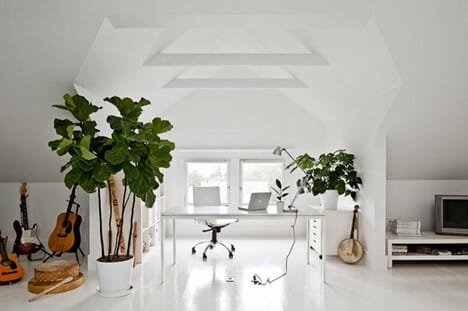
The oxygen we crave for existence is one of the biggest benefits that plants provide. In fact, the definition of Photosynthesis is the process by which plants use sunlight, water, and carbon dioxide to create oxygen and energy in the form of sugars. Those benefits don’t stop there! The reduction of formaldehyde, benzene, trichloroethylene are just some of the noxious VOC’s (Volatile Organic Compounds), which cause several human issues, that are significantly reduced. So much so, that NASA and other researchers all over the world studied this in-depth. Plant materials reduce dust, increase human efficiency and reduce flu-like symptoms. Commercially, we use plants to help reduce the effects of a common complaint called Sick Building Syndrome. Research and discussion are now underway to see how plants help increase another factor called the Happiness Factor.
Think of the feelings associated with Spring Fever. Warmer temperatures and the spring leaf-out makes us feel euphoric. Did you know Interior Plants can have a similar effect on our physiologic wellbeing? Studies have proven that the types of plant material we surround ourselves with will affect humans in many ways.
So let’s discuss water and light. Choosing the correct species for the available light in your area will reduce the chances of failure. Asking a Cactus to live in a dark room is a death sentence for that plant. Plants are grouped into High, Medium, and Low light levels. A light meter can help with determining the light level in your room and then choosing the correct plant for that space.
Water is the next area of caution with plants. Too little water and your plants will lack the nutrients it needs to grow. Too much water will choke the plant’s roots of oxygen. All plants give signals on when they need water. Wilting or drooping leaves, yellow or brown leaves, excessive leaf drops, and the color of the soil are good indications the plant needs water. Even the weight of the pot can be an indicator. On the other hand, signs that you overwatered your plants include soft, squishy leaves, yellowing or brown edges, green leaf drops, and insects. More plants are killed from overwatering than under-watering! The use of a soil probe or even your finger can determine the soil moisture. The addition of interior plants will automatically provide cleaner air, happiness, and chemical remediation that benefit all of us.
Customer service is the lifeblood of any business. Anyone can “sell” you a service but can they truly deliver an experience that sets your company apart and makes a difference for employees and customers? According to research from customer relationship management consulting group SuperOffice, by 2020 customer experience will overtake price and product as the […]
Fiddle Leaf Fig, Queen of the Basic and other Plants of the Moment Yes, Fiddle leaf figs are cool. My Instagram feed is filled with interior design bloggers and wannabes who incorporate them into their picture-perfect Arc Digest homes. Some even go as far as staging fake plants outside of their exterior windows to get […]
Raimondi Horticultural Group marks a significant milestone—50 years of enriching lives and spaces with biophilic designs. As we celebrate this golden anniversary, we’re inviting you to join us in a year-long journey of reflection, appreciation, and forward-looking excitement. A Year of Green Celebrations Our 50th year will be filled with unique events, special promotions, and initiatives that not only […]

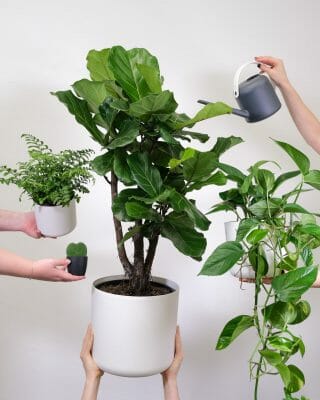 The oxygen we crave for existence is one of the biggest benefits that plants provide. In fact, the definition of Photosynthesis is the process by which plants use sunlight, water, and carbon dioxide to create oxygen and energy in the form of sugars. Those benefits don’t stop there! The reduction of formaldehyde, benzene, trichloroethylene are just some of the noxious VOC’s (Volatile Organic Compounds), which cause several human issues, that are significantly reduced. So much so, that NASA and other researchers all over the world studied this in-depth. Plant materials reduce dust, increase human efficiency and reduce flu-like symptoms. Commercially, we use plants to help reduce the effects of a common complaint called Sick Building Syndrome. Research and discussion are now underway to see how plants help increase another factor called the Happiness Factor.
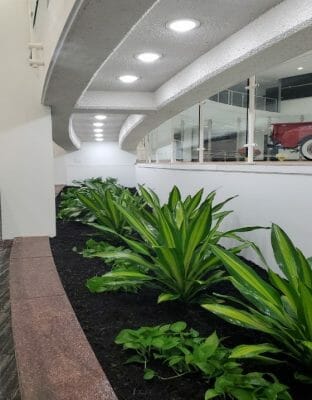 Water is the next area of caution with plants. Too little water and your plants will lack the nutrients it needs to grow. Too much water will choke the plant’s roots of oxygen. All plants give signals on when they need water. Wilting or drooping leaves, yellow or brown leaves, excessive leaf drops, and the color of the soil are good indications the plant needs water. Even the weight of the pot can be an indicator. On the other hand, signs that you overwatered your plants include soft, squishy leaves, yellowing or brown edges, green leaf drops, and insects. More plants are killed from overwatering than under-watering! The use of a soil probe or even your finger can determine the soil moisture.