Designing with Pollinators in Mind: How to Support Biodiversity in Urban Landscapes
By Raimondi Horticultural Group, Inc
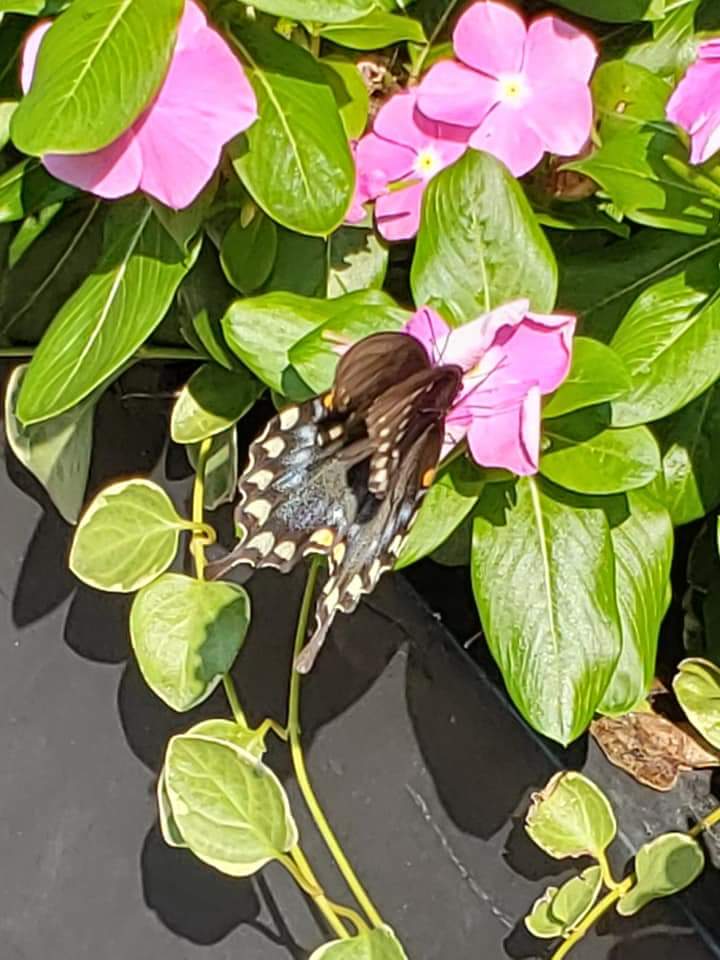
As urban development expands, pollinators like bees, butterflies, and hummingbirds are losing the habitats they rely on. But commercial landscapes can help reverse that trend.
By choosing the right plants and designing with intention, businesses can support biodiversity, create visually engaging landscapes, and contribute to environmental health—without compromising beauty or brand standards.
At Raimondi Horticultural Group, we help our clients design exterior spaces that are not only professional and polished—but also purposeful. And one of the smartest moves in spring landscape planning? Planting for pollinators.
Why Pollinators Matter to Your Landscape Strategy
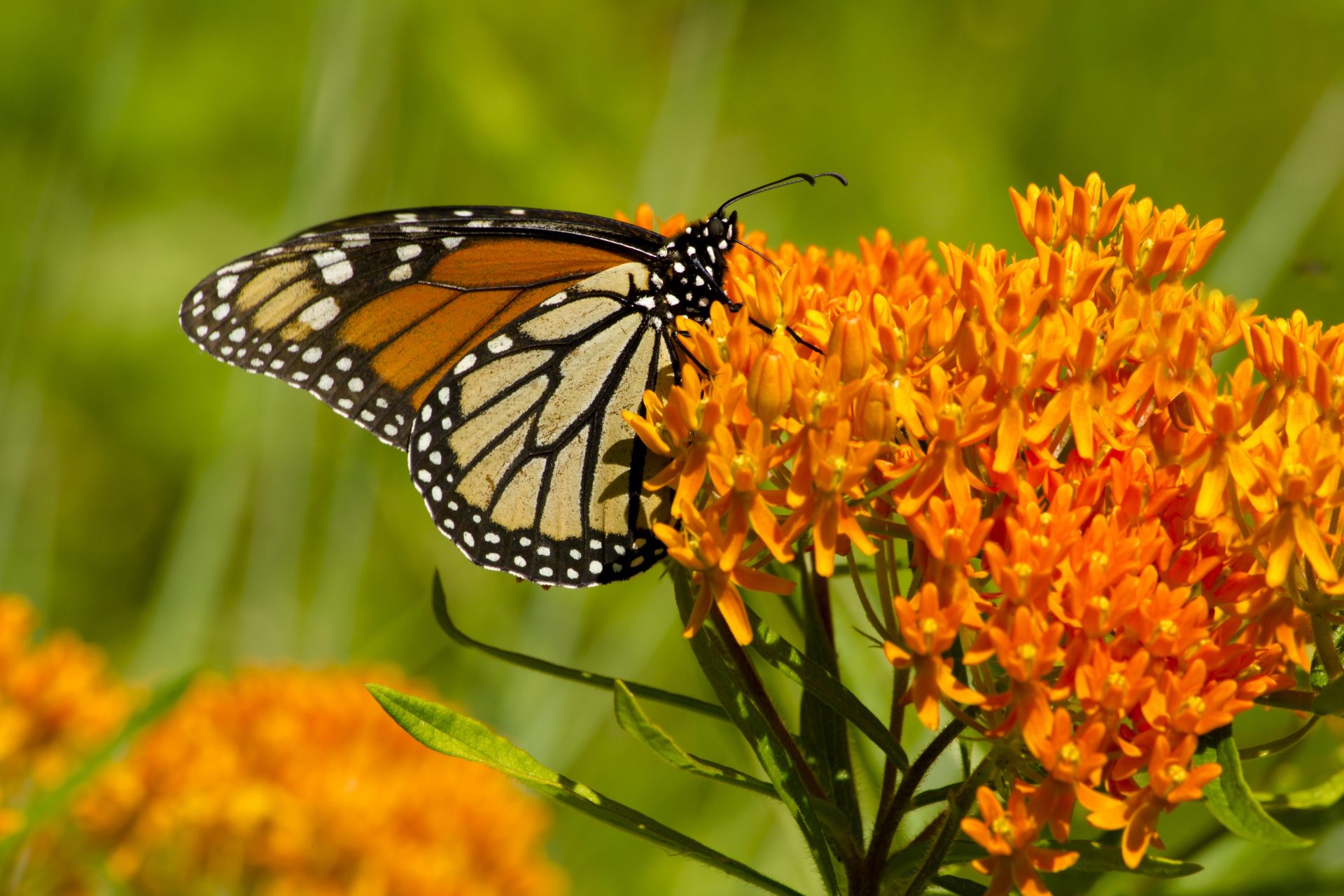
Pollinators aren’t just good for the environment—they’re essential. They help 75% of flowering plants reproduce, including many species used in landscape beds and seasonal containers.
Supporting pollinators adds:
Color, movement, and sensory appeal to your space
Alignment with sustainability, ESG, and LEED goals
A story your brand can proudly share during Earth Month
A positive message to employees, visitors, and tenants
What Makes a Landscape Pollinator-Friendly?
You don’t need to install a wild meadow to make a difference. Even a few thoughtful choices in your planters, beds, and border plantings can attract and nourish beneficial pollinators.
Here’s what we recommend:
1. Plant Native and Regional Species
Pollinators thrive on plants they’ve co-evolved with. Native species are better adapted to the local climate, require less maintenance, and support more types of insects and birds.
2. Provide a Sequence of Blooming
Include early, mid, and late-season bloomers so pollinators have food throughout the year—not just in peak spring.
3. Incorporate a Variety of Flower Shapes and Colors
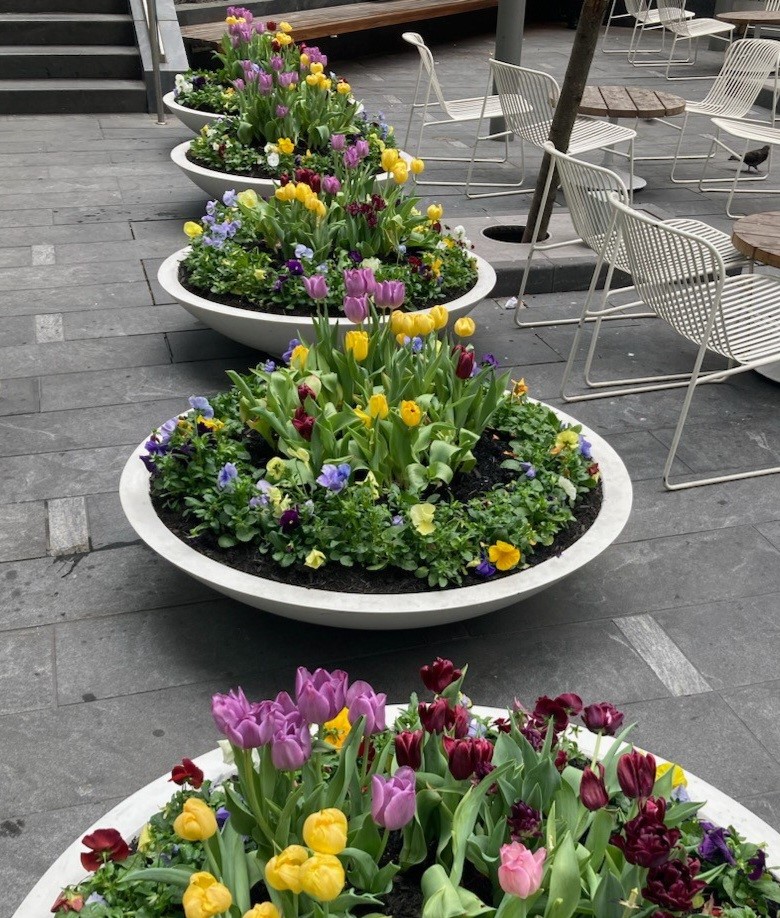
Different pollinators are drawn to different plant types. Mixing tubular, flat, and clustered flowers in blues, purples, yellows, and whites creates a more dynamic and inclusive habitat.
4. Limit or Eliminate Chemical Pesticides
Pesticides can harm pollinators directly. Our teams use eco-conscious maintenance practices to protect beneficial insects while keeping landscapes clean and attractive.
5. Use Planters Strategically
Pollinator-friendly plants aren’t just for beds. We integrate them into elevated containers, walkway planters, and entryway groupings—creating touchpoints for biodiversity even in tight urban settings.
Top Pollinator Plants for Tri-State Commercial Landscapes
Some of our most effective and maintenance-friendly pollinator plants include:
Echinacea (Coneflower) – Long bloom season, vibrant colors
Salvia – Excellent for bees and hummingbirds
Monarda (Bee Balm) – Bold, fragrant, and visually striking
Coreopsis – Low-growing, great for containers and borders
Milkweed – Essential for monarch butterflies
Black-Eyed Susan (Rudbeckia) – Hardy and dependable
Lavender – Fragrant, pollinator-rich, and great in planters
Why Clients Are Choosing Pollinator-Focused Design
Supporting biodiversity isn’t just a nice idea—it’s becoming part of how companies show leadership in sustainability, wellness, and corporate responsibility.
Businesses in healthcare, higher education, office campuses, retail centers, and multi-use residential sites are increasingly investing in planting strategies that reflect their values. Pollinator-focused landscapes:
Contribute to green building goals (LEED, WELL, ESG initiatives)
Spark educational and engagement opportunities for tenants and staff
Stand out visually with vibrant, ever-changing seasonal appeal
Demonstrate environmental leadership during Earth Month and beyond
Ready to Support Pollinators While Enhancing Your Property?
Pollinator design doesn’t require more space or more money—it just requires smarter planning. Let Raimondi Horticultural Group help you build a landscape that’s beautiful, functional, and ecologically meaningful.
📞 Call us today at (201) 445-1299 to schedule a spring landscape consultation. Let’s make your commercial property a place where pollinators—and people—can thrive.
An unavoidable enemy in the office is the cocktail of chemicals that surrounds us. Did you know, for example, that carpets and chairs may contain formaldehyde, inks give off benzene, and photocopiers and PC monitors emit toluene? The effects of these can include breathing problems, eye irritation, anaemia, nausea and impaired co-ordination. […]
As the year winds down and the new year approaches, many businesses begin preparing for a fresh start. The new year offers an opportunity to reset, refocus, and reimagine the workplace. One of the most effective, natural ways to do this? A strategic interior plantscape refresh. At Raimondi Horticultural Group, we know that the spaces […]
The Netherlands has a workforce of about 6 million people. More than a third work in offices, mostly eight hours a day, five days a week. For many, this means that the work environment can have a major influence on their health and well-being. 50,000 office buildings, covering an approximate total of 40 million square […]

 Why Pollinators Matter to Your Landscape Strategy
 3. Incorporate a Variety of Flower Shapes and Colors
 Why Clients Are Choosing Pollinator-Focused Design