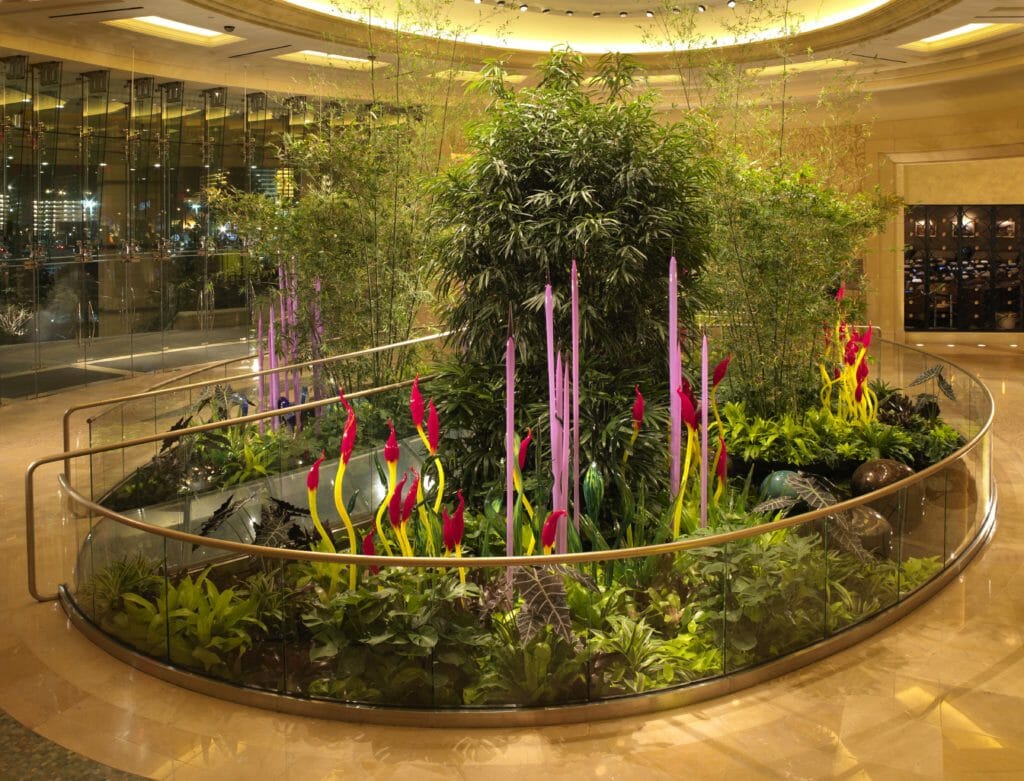
Designing for Texture: How Late-Season Planting Adds Depth and Dimension
By Raimondi Horticultural Group, Inc
By August, the vivid color that defines early summer begins to mellow. The intense blooms of spring and mid-summer annuals gradually fade, and many commercial landscapes risk looking flat, tired, or unfinished. What once felt vibrant and energetic can suddenly feel quiet—sometimes even neglected.
But this moment in the season isn’t a decline. It’s a shift.
Late summer is when texture becomes the most powerful design element in a professional landscape. At Raimondi Horticultural Group, we see texture as the backbone of sophisticated, enduring outdoor environments. Through intentional plant selection, layering, and material choices, we create spaces that remain rich, dynamic, and engaging—long after peak flowering has passed.
From a biophilic design perspective, texture is more than a visual feature—it is one of the ways people experience and connect with nature. Natural variation, movement, layered plantings, and seasonal evolution create landscapes that feel alive, helping visitors, tenants, employees, and guests experience a stronger connection to the outdoor environment.
Why Texture Matters in Professional Landscape Design
Color captures attention, but texture sustains it.
In commercial and corporate environments, landscapes are expected to look polished and purposeful every day of the year—not just during peak bloom. Texture delivers that consistency. It adds depth, rhythm, and refinement, helping landscapes feel complete even when color plays a supporting role.
Texture is especially important in late summer because foliage, form, and movement take over as the primary design drivers. Leaves, stems, seed heads, and silhouettes create visual interest that feels natural, intentional, and timeless.
Biophilic design recognizes that people instinctively respond to the complexity found in nature. Landscapes with varied textures, layered forms, and natural movement create sensory-rich experiences that encourage engagement and make outdoor spaces feel more inviting and restorative.
A well-designed, texture-forward landscape can:
Create contrast and visual interest without relying solely on flowers
Add perceived depth and dimension to open or linear spaces
Guide the eye naturally through entrances, walkways, and gathering areas
Enhance a property’s sense of professionalism, maturity, and longevity
Create stronger connections between people and the natural environment
Ultimately, texture is what transforms a landscape from decorative to experiential.
Plant Selections That Deliver Late-Season Texture
At Raimondi HG, our designers curate plant palettes that perform beautifully in late summer and transition seamlessly into fall. These selections aren’t just visually striking—they’re resilient, structured, and designed to age gracefully.
Ornamental Grasses
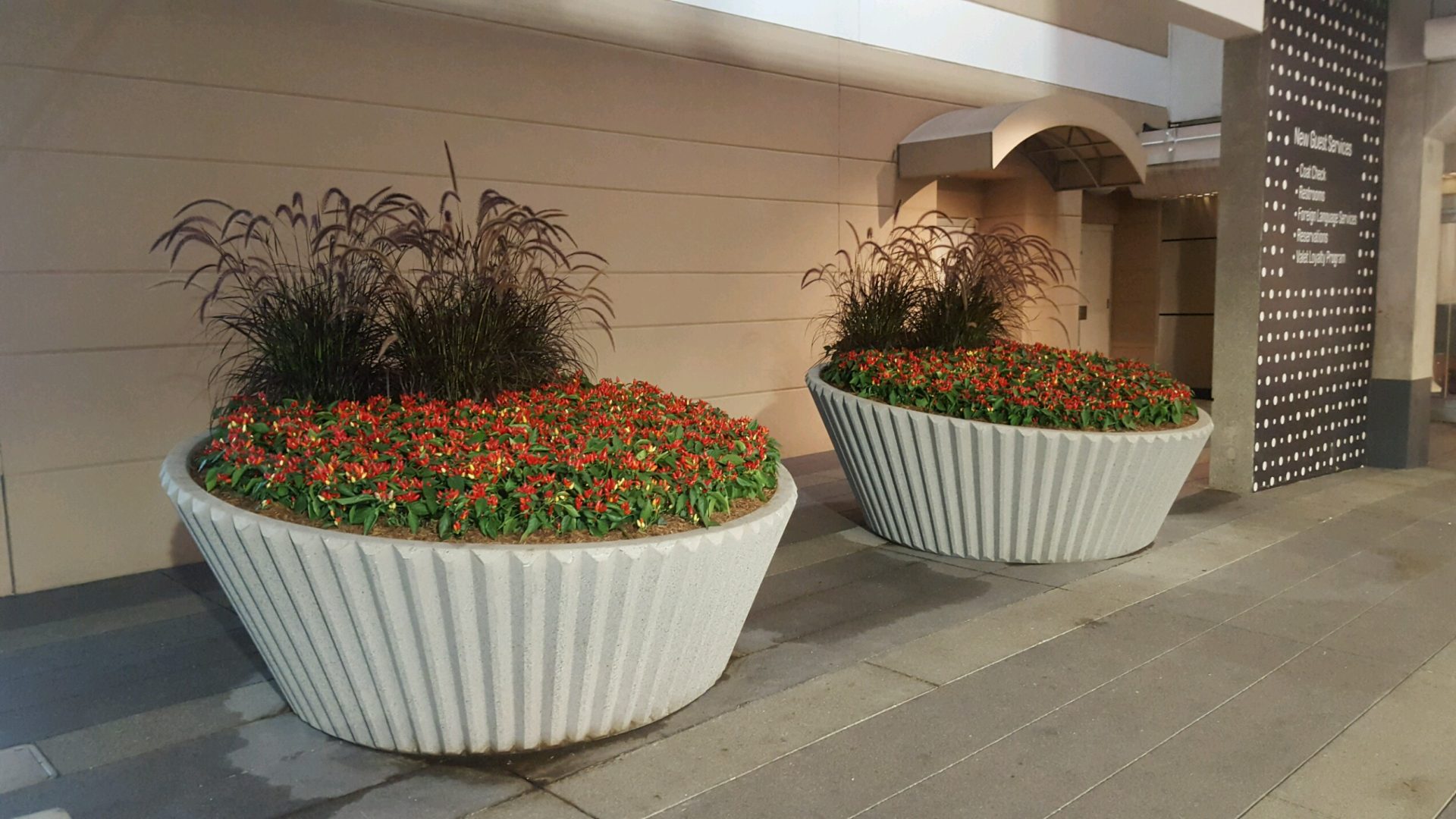
Grasses such as Miscanthus, Pennisetum, and Panicum are late-summer standouts. Their fine blades and arching forms introduce movement and softness, while their seed heads catch light and wind. Grasses bring energy to still spaces and serve as natural connectors between flowering plants and fall textures.
One of the key principles of biophilic design is creating environments that reflect the movement and dynamism of nature. Ornamental grasses accomplish this effortlessly, responding to wind and changing weather conditions in ways that keep landscapes feeling active, engaging, and alive.
Perennials with Strong Form
Plants like Echinacea, Sedum, and Rudbeckia hold their structure well into late summer. Even as blooms mature, their upright forms and sturdy stems provide bold silhouettes that anchor planting beds and containers.
These plants also celebrate seasonal change rather than hiding it. Their evolving forms, seed heads, and natural aging process help landscapes tell a story throughout the season, reinforcing a connection to nature’s rhythms.
Structural Foliage
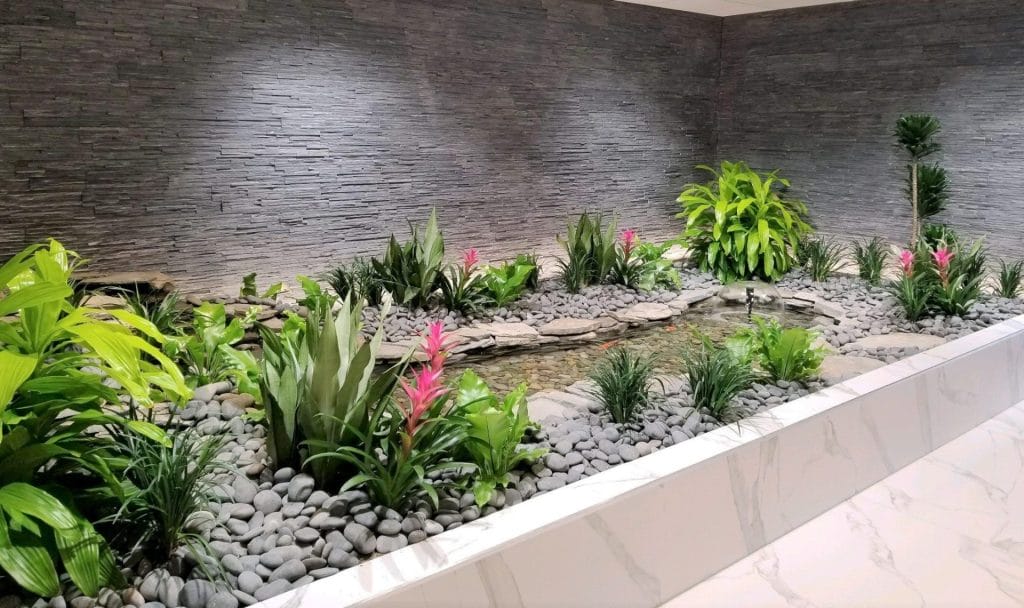
Tropical and evergreen foliage plants—such as Dracaena, Cordyline, and Croton—add architectural presence to planters and entry features. Their vertical lines, saturated leaf color, and varied leaf shapes introduce formality and definition, particularly in high-visibility areas.
The diversity of leaf size, shape, and color contributes to the visual complexity that makes natural environments so appealing. This layered foliage creates year-round interest while supporting a stronger biophilic experience.
Late Bloomers and Pollinator Plants
Varieties like Salvia, Coreopsis, and Monarda extend seasonal color while blending effortlessly with textured grasses and foliage. These plants soften the transition from summer to fall and keep landscapes feeling active and alive.
Beyond aesthetics, pollinator-friendly plantings help support biodiversity and create living landscapes that connect people with the broader ecosystem around them. Seeing birds, butterflies, and beneficial insects interact with the landscape adds another layer of engagement and authenticity.
Seed Heads and Dried Elements
As plants mature, seed heads and dried blooms become design features in their own right. Their earthy tones and tactile quality signal seasonal change while preserving visual intrigue—adding authenticity and depth to the overall composition.
These natural transitions reflect one of the most powerful aspects of biophilic design: embracing seasonal evolution rather than constantly replacing it.
Designing with Texture in Mind
Texture works best when it’s deliberate. Our approach to late-summer design is rooted in contrast, balance, and layering—ensuring every element has a purpose.
1. Combine Fine and Bold Textures
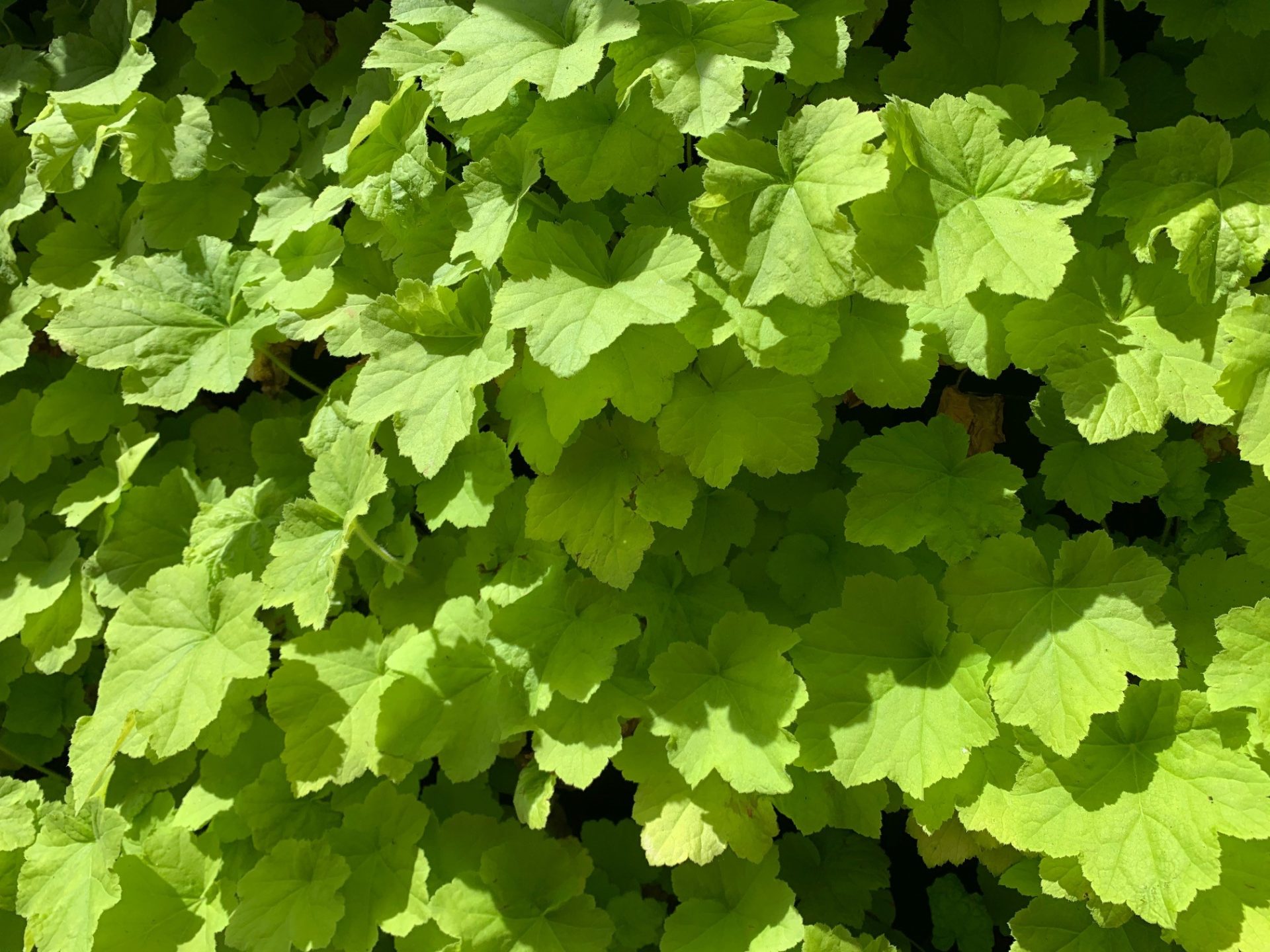
Pairing delicate, feathery grasses with broad-leaf plants creates visual tension that feels balanced and intentional. This contrast keeps planting areas from feeling monotonous or heavy.
Natural environments rarely consist of a single texture. By recreating this diversity, landscapes feel more comfortable, familiar, and engaging to those who experience them.
2. Use Height and Depth Strategically
Layering tall vertical elements with mid-level perennials and low groundcover builds dimension across the site. This approach draws the eye upward and outward, making landscapes feel fuller and more immersive.
Layered planting strategies also mimic the structure of natural ecosystems, helping outdoor environments feel more organic and connected to nature.
3. Vary Surface and Finish
Mixing matte foliage with glossy leaves, variegated patterns, or metallic tones adds complexity. These subtle differences become especially noticeable in late summer light, when shadows and highlights play a larger role.
The interplay of light and shadow is a core biophilic design principle, creating visual interest that changes throughout the day and encourages repeated engagement with the space.
4. Plan for Seasonal Transitions
Late-summer design should anticipate what comes next. By incorporating plants that maintain structure into fall, we ensure landscapes evolve smoothly rather than changing abruptly with the season.
Seasonal transitions are an important part of the human experience of nature. Landscapes that evolve gradually help reinforce a sense of time, place, and connection to the natural world.
Beyond Plants: Architectural Texture in the Landscape
Plants are just one part of the texture story. Hardscape elements, materials, and finishes play an equally important role in creating layered, sensory-rich environments.
Fiberglass and Stone Planters provide contrast between sleek, contemporary surfaces and organic plant material
Wood and Metal Accents introduce warmth, structure, and grounding in corporate and commercial settings
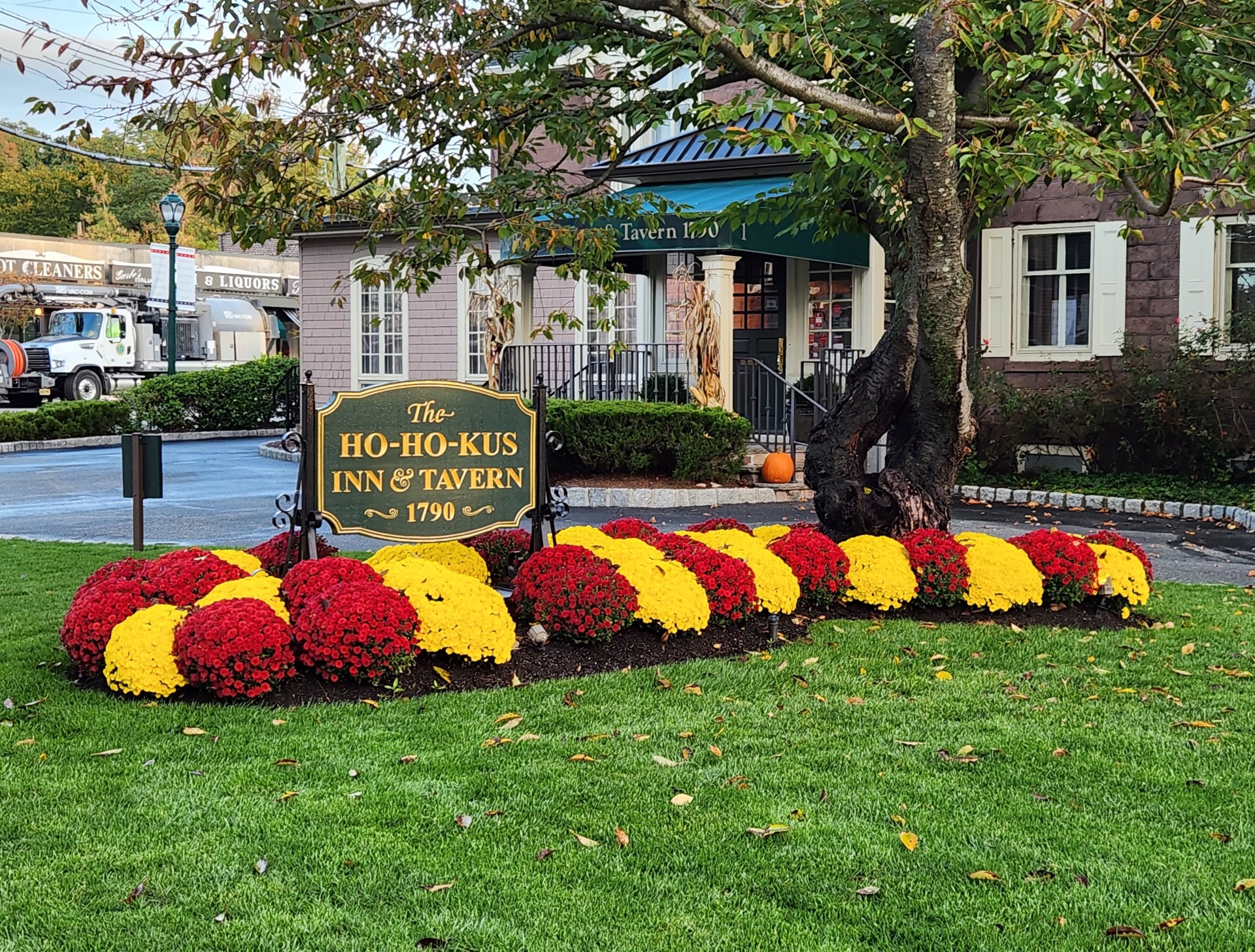
Mulch and Groundcover Layers add color, depth, and tactile interest at ground level
Lighting Design enhances texture after dark by highlighting form, shadow, and movement
Biophilic design extends beyond plants alone. Natural materials, organic patterns, and thoughtful spatial experiences work together to create environments that feel balanced, welcoming, and connected to nature.
Together, these elements ensure landscapes remain engaging from every angle—and at every time of day.
Late Summer, Lasting Impact
Texture doesn’t fade the way color does—it evolves. That’s what makes late summer one of the most compelling seasons for professional landscape design. As flowers step back, form, structure, movement, and seasonal change take center stage, revealing the natural patterns and sensory experiences that are central to both exceptional landscape design and biophilic environments.
At Raimondi Horticultural Group, we specialize in landscapes that hold their presence year-round—spaces defined by balance, sophistication, and life. By combining horticultural expertise with biophilic design principles, we create outdoor environments that remain beautiful, engaging, and meaningful through every seasonal shift.
Keep Your Property Engaging Through Every Season
Late summer is the perfect time to refresh your landscape with texture-driven design that carries your property confidently into fall. Let Raimondi Horticultural Group create a thoughtful update that enhances structure, depth, sensory appeal, and visual impact through August, September, and beyond.
Bring More Life, Movement, and Connection to Your Landscape
📞 Call (201) 445-1299 to schedule a consultation with our design team today.
As the holiday season approaches, businesses are gearing up to create memorable experiences that leave a lasting impression on clients, employees, and visitors. At Raimondi Horticultural Group, we specialize in turning commercial office spaces into enchanting holiday wonderlands, catering to a wide range of industries, including law, medical, hospitality, assisted living, packaging, logistics, and more. […]
In today’s competitive business environment, creating a dynamic, healthy, and inspiring workplace isn’t just a design trend—it’s a strategic imperative. Companies across industries are rethinking the way they design and manage their spaces, and one of the most impactful tools at their disposal is interior landscaping. At Raimondi Horticultural Group, we specialize in transforming commercial […]
The oxygen we crave for existence is one of the biggest benefits that plants provide. In fact, the definition of Photosynthesis is the process by which plants use sunlight, water, and carbon dioxide to create oxygen and energy in the form of sugars. Those benefits don’t stop there! The reduction of formaldehyde, benzene, trichloroethylene are […]