Biophilic Design: The Insider Trick to Productivity
By Allie Diaz
Imagine a new technology out on the market that not only increases productivity but is inexpensive to install and an invaluable investment to a place of employment. As an owner of a company, it’s vital to jump on opportunities like this when they arise. What is this solution? To put it simply, plants. Currently, there is tons of research published proving why incorporating plants into office spaces can be so beneficial. This ‘new’ technology is nothing complex, and the reasoning behind its’ effectiveness dates to our roots as people.
Let’s look at the concept behind the biophilic design. To start off, “biophilic design recognizes that our species has evolved for more than 99% of its history in adaptive response to the natural world and not to human-created or artificial forces” (Kellert, 2017). It simply acknowledges that the room of evolution is not man-made. This new approach to design, harnesses our natural surroundings and incorporates the look and feel of them into our corporate offices. By doing this, the subconscious mind thanks us. Kellert identifies the science behind how this phenomenon translates to human health and wellbeing when he says, “We became biologically encoded to associate with natural features and processes. Rather than being vestigial – or relevant to a world that no longer exists – this need is thought to remain instrumental to people’s physical and mental health, fitness, and wellbeing” (Kellert, 2017).
When we break the biophilic design down further to better understand how it is most effective, it’s easy to compare it to an ecosystem; “When the habitat functions in the best interests of the organism, the ecosystem performs at a level greater than the sum of its individual parts” (Kellert, 2017). In essence, for biophilic design to produce results, it needs to be executed correctly. Like an ecosystem, the biophilic design will be effective when all the components work together.
One of the most amazing revelations, when plants were implemented into the office, were the levels of mental health improvement among employees. A study by a university in Sydney found “significant reductions in stress among workers when plants were introduced to their workspace. Results included a 37% fall in reported tension and anxiety; a 58% drop in depression or dejection; a 44% decrease in anger and hostility; and a 38% reduction in fatigue” (Chignell, 2018). The research behind biophilic design is expansive. Understanding biophilic design and how it works helps to understand how it can come to life in an office environment.
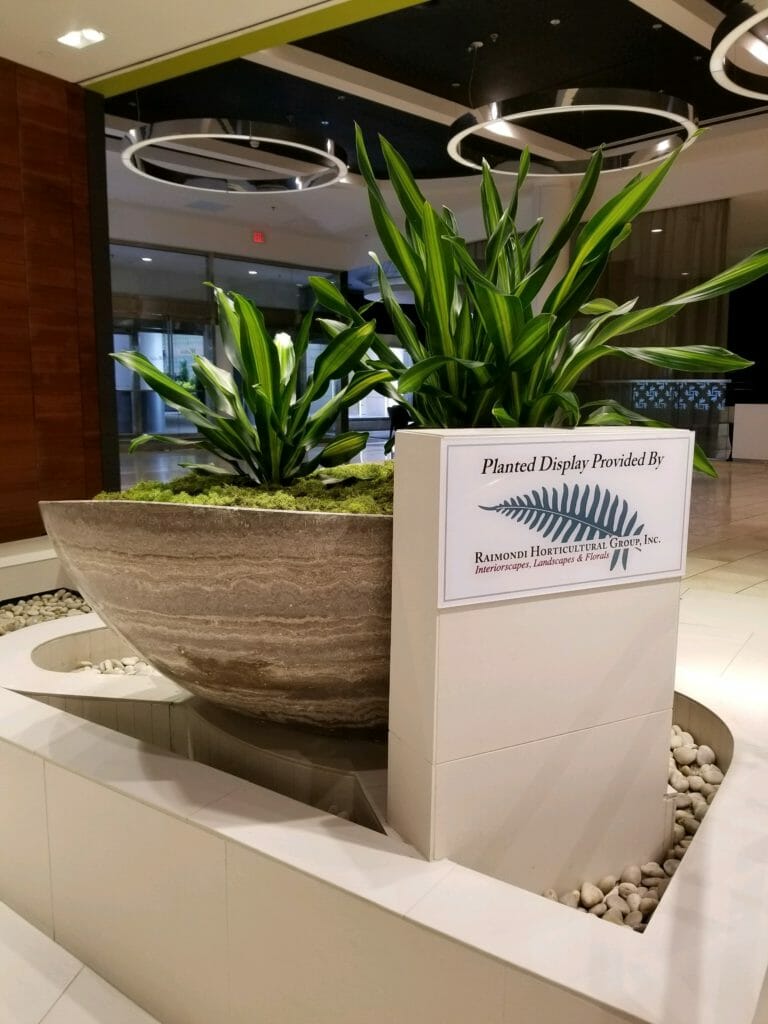
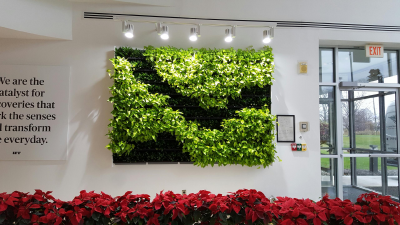
The plan for integrating this technology into the company starts with a horticulturalist. A quick meeting can set you up on the best path for your company. An article posted on The Conversation states, “Incorporating nature into the workplace can take many different forms including living green walls, indoor trees, and planter boxes. Even views of nature on television screens or art can positively impact mood and wellbeing” (Sander, 2018). Once the plants are installed, the horticulture company can also service all maintenance and upkeep.
The most significant advantages of bringing plants into the office space consist of reduced stress, an increase in productivity, and a rise in creativity. It has been found that productivity jumps 15% when plants are brought into the work environment (Chignell, 2018). The benefits of implementing plants as a technology and an agent for success are worth the investment in both your business and your employees.
References Cited
Chignell, B. (2018, February 19). Seven benefits of having plants in your office.
Retrieved March 08, 2018, from https://www.ciphr.com/advice/plants-in-the
-office/.
Kellert, S. R. (2017, February 24). What Is and Is Not Biophilic Design? Retrieved
March 08, 2018, from http://www.metropolismag.com/architecture/what-is-
and-is-not-biophilic-design/.
Sander, L. (2018, March 06). Not just nice to have: nature in the workplace
makes employees happier and healthier. Retrieved March 08, 2018, from
With every building, the people that occupy them and the work that gets done in them is unique. Plants at Work, a national information campaign to inform professionals and the public about the numerous benefits of interior plants, has assembled new research indicating that adequate installation of interior plants can deliver bottom-line benefits and is […]
In the competitive world of hospitality, delivering an exceptional guest experience goes beyond impeccable service and stylish interiors. Today’s travelers are increasingly drawn to environments that promote relaxation, well-being, and a connection to nature. This is where biophilic design comes into play. By seamlessly integrating nature into indoor spaces, hotels and resorts can create unforgettable […]
The WELL Building Standard ™ is quickly becoming the leading approach to health and well-being in commercial buildings, hotels and related interior spaces. This is positive news as life and work keep us indoors much of the time. The opportunity to contribute to the creation of thriving spaces that support human health and well-being is […]

 Imagine a new technology out on the market that not only increases productivity but is inexpensive to install and an invaluable investment to a place of employment. As an owner of a company, it’s vital to jump on opportunities like this when they arise
 One of the most amazing revelations, when plants were implemented into the office, were the levels of mental health improvement among employees. A study by a university in Sydney found “significant reductions in stress among workers when plants were introduced to their workspace. Results included a 37% fall in reported tension and anxiety; a 58% drop in depression or dejection; a 44% decrease in anger and hostility; and a 38% reduction in fatigue” (Chignell, 2018). The research behind biophilic design is expansive. Understanding biophilic design and how it works helps to understand how it can come to life in an office environment.